

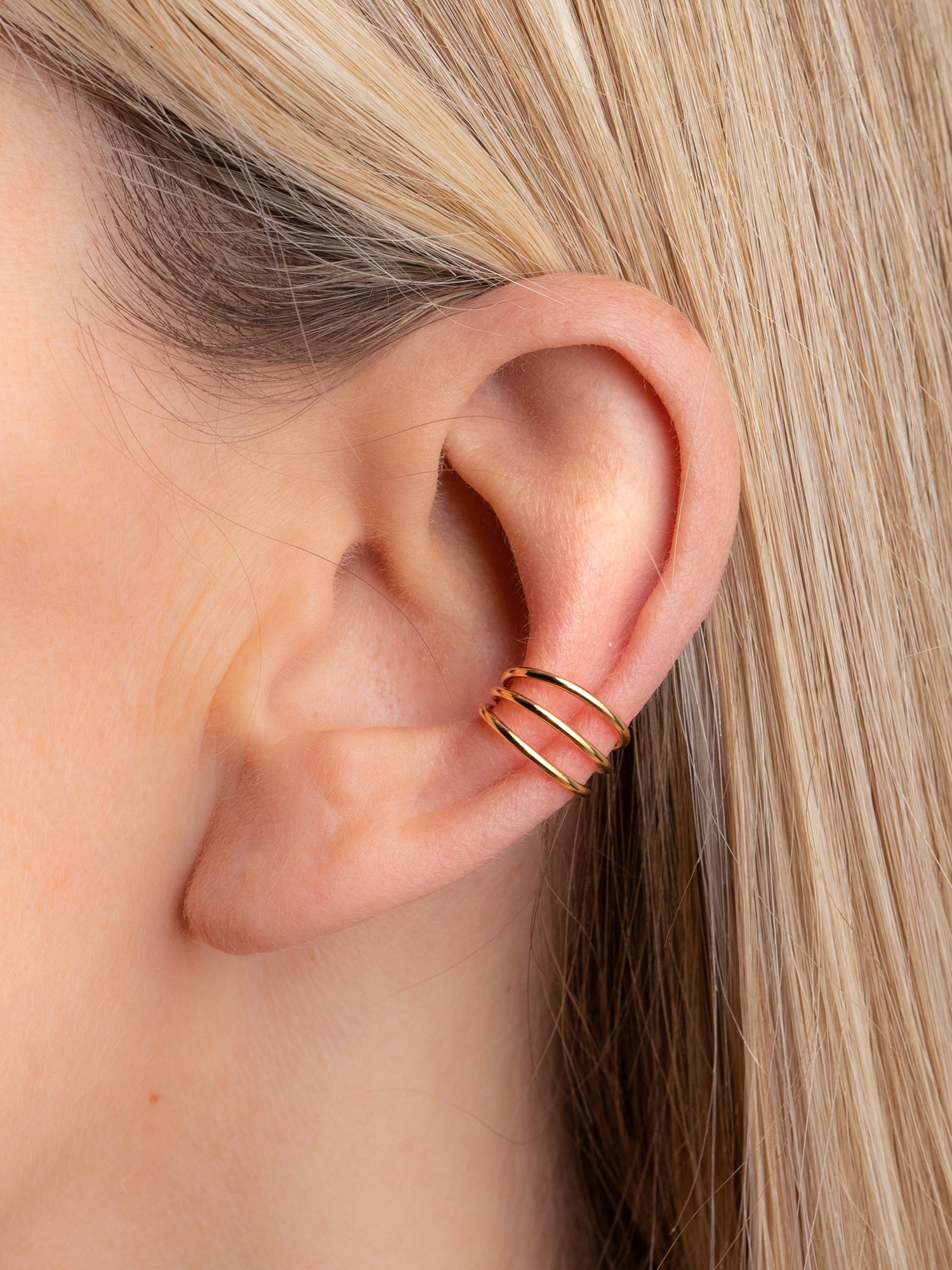


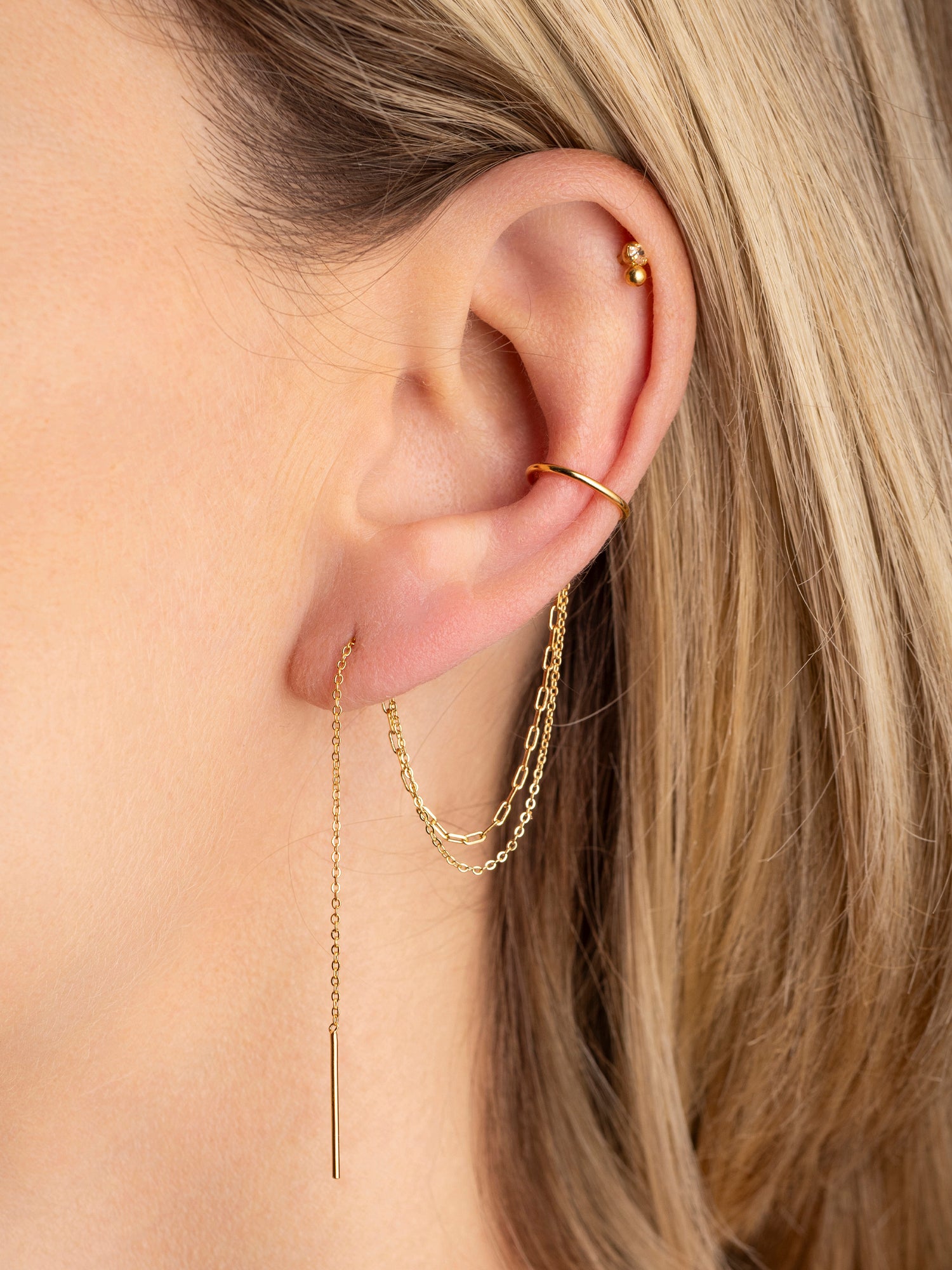



Gold recycling is the practice of extracting precious metal from other products, components, and waste to manufacture a new piece. It is a very important process because it allows for the recovery of several tons of gold that would otherwise be lost. Recyclable materials include gold-plated jewelry or solid gold jewelry, coins, and electronic devices.
Furthermore, gold recycling is primarily an ecological, economic, and philanthropic gesture that contributes to the recovery of electronic waste. It also helps reduce the extraction of new resources, maintain the price of precious metals, and above all, limit water pollution and the impact of gold collection in France and around the world.
Article Contents
Gold: Definition
Gold is one of the most precious and sought-after metals in the world. Known for thousands of years, this noble element stands out for its rarity and malleability. Perfectly ductile, it has been used for centuries in jewelry making and goldsmithing for plating and the manufacture of jewelry. This is why most rings, bracelets, necklaces, earrings, and cufflinks are made of gold. They are generally set with a gemstone such as a diamond, sapphire, ruby, or emerald to enhance their value and beauty. However, gold is also used to manufacture coins and ingots.
It is also found in the electronics industry due to its excellent conductivity. It should also be noted that gold has played a key role in human history. Indeed, it was used for thousands of years as a means of currency and payment. Gold has also been used as a means of artistic expression and remains a symbol of wealth and luxury to this day. But if this metal is popular, it is primarily due to its beauty and durability. Indeed, in addition to being precious, gold is non-corrosive and does not deteriorate over time. This makes it one of the most popular products for investors and collectors. Furthermore, gold is generally classified by its purity, ranging from 10 carats (41.7% pure gold) to 24 carats (99.99% pure gold). However, most gold jewelry is made by alloying the metal with other materials to make it more durable and shiny. The most common alloy for gold jewelry is 18 carats. It consists of 75% gold and 25% other metals such as copper, nickel, or zinc. This allows for alloys such as white gold or rose gold. High-end jewelry can also be rhodium-plated to give it a silver-white finish.
The Gold and Jewelry Creation Process
The creation of gold jewelry is a fascinating process that begins with the appraisal of precious metals. Generally, jewelry is appraised to determine its value and its composition of gold, silver, or other precious metals. Once the metal has been appraised, a jeweler can buy it back to transform it into a piece of jewelry such as a gold chain, hoop earrings, gold rings, gold-plated earrings, or any other accessory.
In any case, the manufacture of gold jewelry involves different materials and steps. The manufacturing process generally begins with the purification of the metal and its melting in a high-temperature furnace.
Once melted, it will be mixed with other metals to create an alloy. The metals are then cast into different shapes and then worked and hammered to bring the final design to life. Precious stones such as diamonds, sapphires, and rubies are also added at this stage. After the piece is finished, it is plated or coated with precious metals such as rhodium, palladium, or platinum.
It is this process that gives gold its shine, hardness, and resistance to oxidation. After all these steps, the jeweler will determine the purity of the gold by performing a test using touchstones and hallmarks. The process ends with a deep polishing of the piece to enhance and perfect the finish.
The Gold Jewelry Recycling Process
First of all, it is important to note that not all metals present in gold jewelry or electronic waste are always recyclable. This is why the recycling process begins with the collection of end-of-life electrical and electronic devices. These are transported to sorting centers.
The WEEE will then be pre-sorted to separate ferrous metals, non-ferrous metals, and plastics. Once these products are sorted, the gold is separated from the other metals. This separation is done using physical processes such as washing and screening. It can also be done using chemical processes such as cyanide or hydrochloric acid.
When the non-recyclable metals are removed, the gold is sent to specialized recycling companies where it will be melted in a high-temperature furnace, then cooled and purified to form ingots or powders that can be used in new pieces and new gold jewelry.
Although the recycling process is a complex and fairly costly operation that requires professional expertise, the use of recycled gold is undoubtedly an economic and environmental solution. In fact, the circular economy makes it possible to recover value from waste by using it to produce high-quality raw materials. This also limits the production of electronic waste.
This will not only help preserve natural resources but also protect the environment. In detail, the recycling of electronic waste is important to prevent pollution, greenhouse gas emissions, and the destruction of wildlife and plants. At the same time, the recycling rate of precious metals, such as gold, must be optimized to meet environmental and societal requirements.
Before recycling, also consider reselling: our guide to selling your jewelry explains where to sell gold, silver, and gold plating, and how to estimate their value.





Leave a comment